

Technology is always changing, and security technology is no different. Changes often happen gradually and can feel like normal day-to-day updates: a new alarm is installed, a monitoring provider is replaced, or a signalling route is updated. Once the work is done, it may feel as though no further action is needed.
However, those changes can matter. Your security arrangements form part of how insurers assess your business, so if the system on site has changed, the information held by your broker and underwriter may need to be updated as well.
For removals and self storage businesses, security is not just about protecting the premises. It also helps protect customers’ goods, vehicles, staff, reputation and the ability to keep trading after an incident.
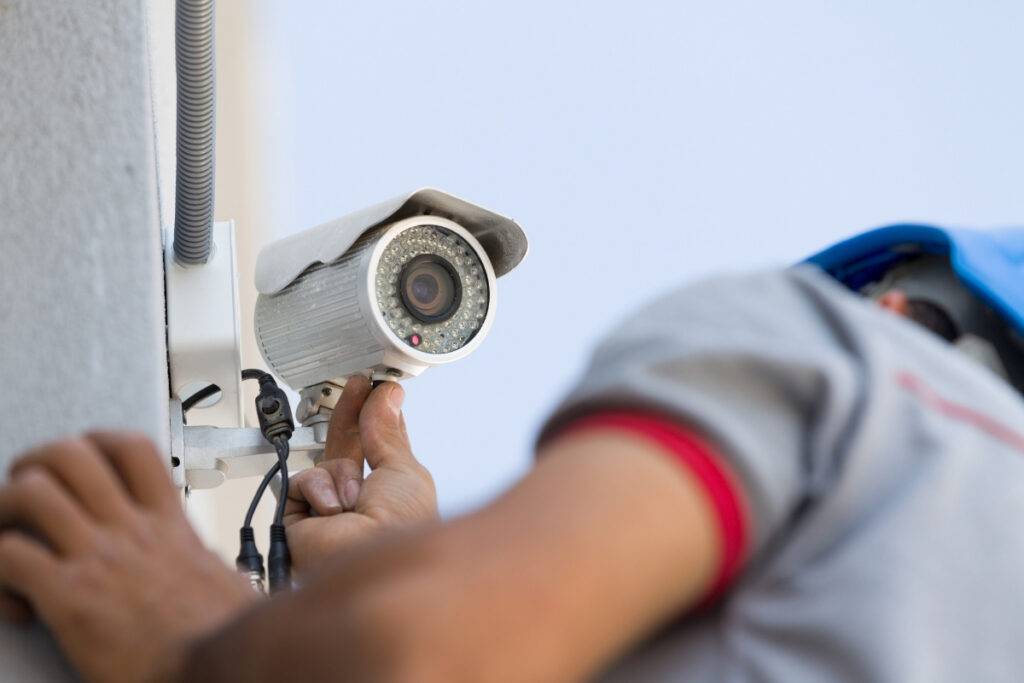
New does not always mean better
Security technology is changing quickly, with older alarm signalling arrangements being replaced by newer internet protocol, mobile and dual-path systems. In many cases, that is a positive step. From an insurance point of view, though, the key question is not simply whether the system is newer, but whether it provides the same level of protection, monitoring and response that your insurer believes is in place.
This is where clarity is important. A professionally monitored alarm connected to an Alarm Receiving Centre is not the same as a system that sends a notification to a mobile phone. App alerts may still be useful, but they should not automatically be treated as equivalent to professional monitoring unless this has been checked and agreed.
The withdrawal of BT Redcare services in 2025 has brought this into sharper focus. Businesses moving to replacement systems should make sure they understand how the new system communicates, who monitors it, what response is provided, and whether it meets any insurance requirements that apply to their policy.
Why underwriters need to know
Underwriters assess and price risk based on the information provided to them. If the declared security does not match what is actually in place, it can create problems. As we explored in our “Mind the GAP” article, businesses need to be aware of the gap between what is assumed, what is declared, and what is happening day to day. Security is a good example of this. At best, that gap may lead to further questions at renewal or during a claim. At worst, it may affect the position under the policy.
This works both ways. If you have improved security, tell your broker. If you have changed monitoring provider, replaced alarm signalling, altered response arrangements or allowed a maintenance contract to lapse, tell your broker too. The point is not whether the change is good or bad. The point is whether the information being relied on is current and accurate.
What should businesses check?
A simple review is often enough. As a starting point, ask yourself:
- What security arrangements have we declared to insurers?
- Is that still accurate?
- Have we changed alarm provider, signalling route or monitoring method? And what are their credentials e.g.
Security Systems and Alarms Inspection Board (SSAIB) or National Security Inspectorate (NSI).
- Are maintenance agreements still in place?
- Could we evidence the system and response arrangements if asked?
Security will keep evolving, and that should be welcomed. The important thing is making sure your insurance reflects the arrangements you actually have in place, not an outdated version of them.
If something has changed, or if you are unsure whether a replacement system is equivalent, speak to your broker so this can be checked and addressed before it becomes an issue.
Download a copy of this article here:
Interested to know more?
At Reason Global, our brokers and claims handlers take pride in assisting our clients on any claims they may receive to ensure the process is as painless as possible. Contact us today to learn more about ensuring the right cover is in place for your company.