Telematics does not reduce your motor fleet premium on its own. Fewer claims do. What telematics gives you is the information, and the evidence, to influence how many claims you have, and to show underwriters how your fleet is run. Used well, it may help bring accidents down, and premiums with them.
Is telematics really a question about price?
When telematics comes up, it is usually framed as a question about price. Will fitting it reduce my motor fleet premium? It is a fair question, and the honest answer is more useful than a yes. Telematics does not reduce premiums. Fewer claims reduce premiums. What telematics does is give you the information, and the evidence, to influence how many claims you have in the first place.
That distinction matters, because many transport managers start from the assumption that motor fleet costs are something that happen to them. The market hardens, repair inflation does what it does, a third party makes an exaggerated claim, and the renewal reflects all of it. There is truth in that. But it leaves out the part of the equation you can genuinely influence: what your drivers do on the road, how quickly you know about it, and what you can demonstrate when your fleet is presented to underwriters.
Why does a claim cost more than the repair bill?
A vehicle standing still is the most expensive vehicle in your fleet. It still costs you in finance, insurance and driver time, but it earns nothing, and the move it was booked for has to be absorbed somewhere else in the week.
Repair costs have been climbing, parts and courtesy arrangements take longer to resolve, and a knock that once meant two days off road can now mean considerably more. For anyone responsible for moving goods, vehicles and drivers, that is the real cost of a claim.
What is telematics, in plain terms?
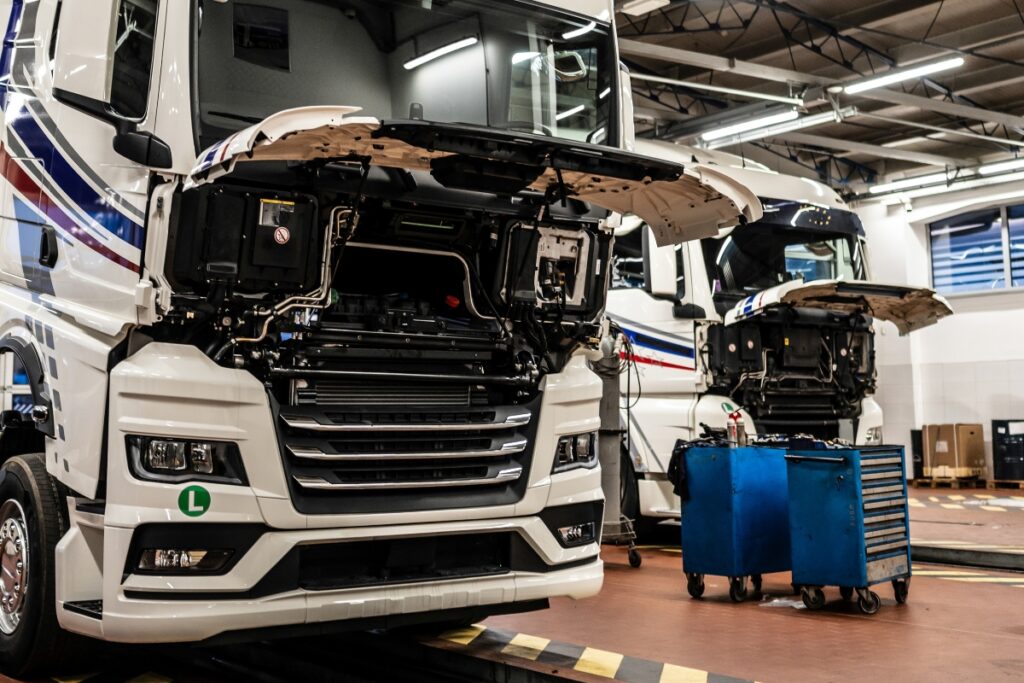
“Telematics” is used loosely, so it helps to be clear about what the technology is. MICHELIN Connected Fleet describes it as the integration of telecommunications and information technology to transmit, receive and process vehicle data remotely. It combines GPS positioning, onboard diagnostics and wireless networks to send real-time information such as a vehicle’s location, speed and driving behaviour to a central platform where it can be monitored and analysed.
In plain terms: the vehicle tells you what it is doing, as it does it, and the pattern is recorded.
That is a long way from the tracking unit many businesses fitted years ago to answer the question “where is the lorry?”
How many fleets already use it?
Telematics is no longer unusual. The Hartford reports that nearly 70% of fleets already use GPS tracking technology, and that in a survey of 300 fleet professionals, almost one-third had gone a step further and implemented a full telematics suite. Among those in trucking, logistics and shipping, that figure rose to 42%.
Fleetmaxx Solutions, in its guide to the benefits of telematics for fleets, points to the same cluster of gains that transport managers tend to care about most:
– lower running costs
– better use of driver hours
– less administrative paperwork
– improved vehicle safety and security
Does telematics lead to fewer claims?
Tom Rogers, Head of Underwriting at Flock Insurance, notes “When customers engage with the safety insights which telematics provide and use them to upskill drivers, they have fewer claims – 72% of customers on our connected fleet insurance have actually reduced their claims frequency on average by 10%, year on year.
That brings insurance costs down over the long term, but the benefit goes beyond the premium. Every claim avoided means less time with a vehicle off the road, fewer repair bills and less of the admin that comes with handling an incident, so the business saves twice, once on its cover and again on the cost of running the fleet.”
Why does the data only help if someone acts on it?
Those benefits are real, but they are not automatic. The data only becomes valuable at the moment somebody acts on it.
A harsh braking alert that nobody reviews is just a log file. A pattern of speeding on the same stretch of road, discussed with the driver that week, is a collision that may never happen, and a customer’s goods that arrive as promised.

How does telematics help you at renewal?
Underwriters price the story they can see. Two fleets of the same size, running similar vehicles over similar distances, with similar claims histories, can be presented very differently.
One arrives as a schedule of vehicles and a loss run. The other arrives with a clear account of how drivers are monitored, which behaviours have improved over the past year, how incidents are investigated, and what happens when someone’s driving falls below the standard the business expects.
The second fleet is not simply better insured. It is better understood, and that understanding is what allows cover to be tailored rather than estimated.
What does this mean for your reputation?
Commercially, this is where the argument stops being about technology and starts being about reputation. Every avoided incident is a vehicle that stays on the road, a crew that keeps its schedule, and a move that is completed the way the customer was told it would be.
In the moving and storage industries, your reputation is built on exactly that reliability. Clients are trusting you with the contents of their homes, their offices, their businesses. A damaged consignment or a missed arrival is remembered long after the repair bill is settled.
Reducing claims protects more than your motor fleet premium. It protects the thing that wins you the next contract.
What should you decide before installing telematics?
If you are weighing telematics up, the useful questions are rarely about the hardware. They are about what happens next.
– What will you measure, and why those measures?
– Who looks at the reports, and how often?
– What does a driver conversation look like, and is it framed as support rather than surveillance?
– How will you record the improvements you make, so that in twelve months you can show a trend rather than describe an intention?
Agreeing that before installation is also what keeps the administration proportionate. You are choosing a handful of things to act on, not adding another system to feed.
Why speak to your broker before you commit?
It is worth speaking to your broker before you commit, not after. The way your fleet data is gathered and presented affects how underwriters read it, and specialist underwriters in this sector will ask different questions of a removals fleet than they would of a general haulier.
Getting that right is the difference between data you collect and data that works for you at renewal.
Where does motor fleet cover stop?
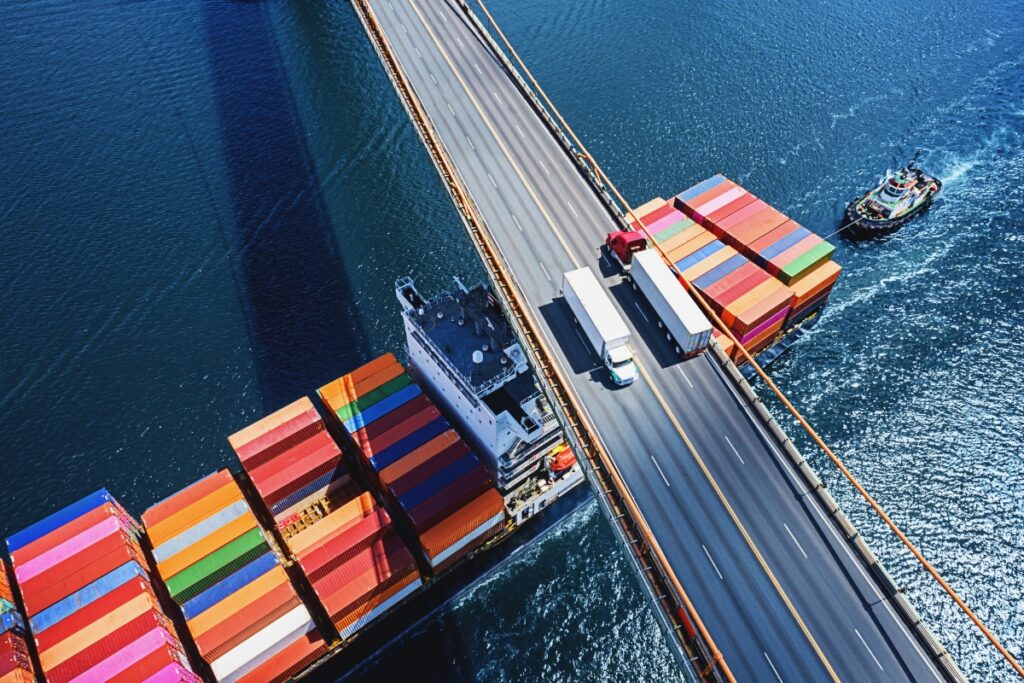
Your fleet is one stage in a longer journey. Goods are loaded, carried, sometimes handed to a third-party carrier, often placed into warehousing or temporary storage, and on international moves they may travel by sea or air before anyone unloads them.
Motor fleet cover protects the vehicles and the liabilities that attach to them. It is not designed to follow your customers’ goods through every one of those stages. The gaps and overlaps between stages are where disputes tend to live, and they are the hardest thing to resolve once several parties are involved.
Telematics gives you confidence over the part of the journey you control directly. The rest of the journey needs the same clarity applied to it: understanding exactly where responsibility sits at each handover, and making sure your cover reflects how your goods actually move rather than how a standard policy assumes they do.
The honest way to think about telematics and your fleet insurance
Telematics is not a lever you pull for a discount. It is a way of turning everyday driving into information you can use, and information into fewer incidents, less time off road and a stronger case to put in front of underwriters. The premium follows the claims, and the claims follow the decisions you make with what you know.
Download a copy of this article here:
Interested to know more?
At Reason Global, our brokers and claims handlers take pride in assisting our clients on any claims they may receive to ensure the process is as painless as possible. Contact us today to learn more about ensuring the right cover is in place for your company.