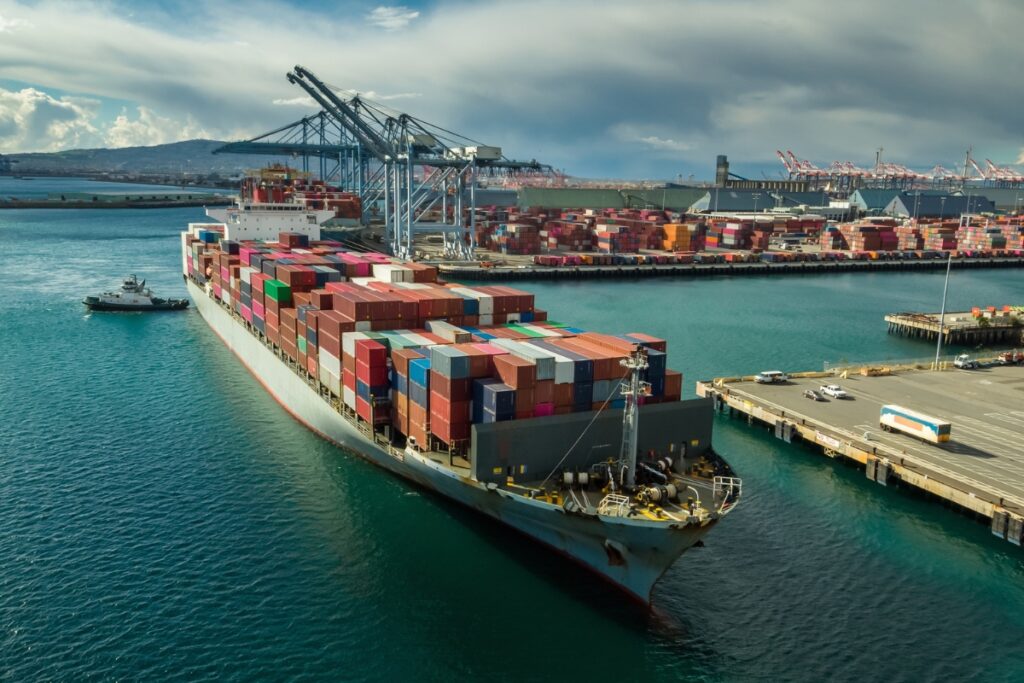

An international shipment can pass through several transport providers, handling points and periods of storage before it reaches its destination. Understanding how these stages fit together is an important part of making sure your marine insurance reflects the way your business actually operates.
International moving depends on coordination. From the team collecting a customer’s belongings to the agents, transport providers and warehouse operators involved along the way, every party has a role to play in getting goods from one country to another.
For the moving company overseeing the shipment, the operational details are familiar territory. But when it comes to marine insurance, the finer points of the journey deserve just as much attention.
What exactly is included in the insured transit? How are temporary storage arrangements treated? And what should happen if a shipment takes a different route or its delivery arrangements change?
These aren’t simply administrative questions. They’re part of understanding what insurance has been arranged, the terms that apply, and whether those arrangements continue to reflect the shipment as it progresses.
Start with the insured journey
The term marine insurance can be misleading if it suggests that cover only applies while goods are at sea. Goods in transit can be insured across different transport modes, including road, rail and air, subject to the relevant policy terms.
For international movers, this makes it important to understand the journey described by the insurance arrangements.
A shipment might involve collection at an origin address, road transport to a port, an ocean crossing, customs clearance and onward delivery by road. Other moves may involve consolidation, transhipment or additional handling before delivery can take place.
The key question is whether the insurance arrangements reflect the stages, locations and circumstances that apply to your shipment.
It’s not enough to assume that because a journey begins and ends in the expected places, every activity in between is treated in the same way. The scope of cover depends on the wording, conditions and any relevant restrictions.
What happens when goods go into storage?
Storage can form an important part of an international move. A customer may need to delay delivery, customs clearance may take longer than expected, or the receiving property may not be ready when the shipment arrives.
In these situations, goods may remain in a warehouse or other storage facility while the next stage is arranged.
Operationally, this may be a straightforward solution. From an insurance perspective, though, it’s worth understanding how that storage period is treated.
Questions worth considering include whether storage is included within the agreed arrangements, whether there are any time limits or conditions, and whether the location and circumstances of storage meet the policy requirements.
The FIDI Professional Cooperation Guidelines provide useful industry context here. Their guidance covers storage as part of the international moving process, including the roles and responsibilities of the parties involved. The guidelines aren’t insurance policy wording, but they help illustrate why storage arrangements and communication between moving partners matter.
If a planned transit turns into a longer storage period, it’s sensible to establish whether your existing insurance arrangements remain appropriate, rather than make assumptions.
Handovers and responsibilities: know who does what
International shipments frequently pass between different businesses. An origin agent may organise collection and packing, a transport provider may handle the main journey, and a destination agent may coordinate customs clearance and final delivery.
Each handover brings a change in who is physically handling the goods, but it doesn’t necessarily mean that responsibility for loss or damage transfers in a simple or uniform way.
The responsibilities of each party depend on the contractual arrangements, applicable law and circumstances. The insurance arrangements are a separate consideration.
Clear responsibilities and well-maintained records can help avoid misunderstandings, and make it easier to establish what happened if something goes wrong.
When the original plan changes
Even a carefully planned shipment may not follow its intended route exactly. Transport schedules change, connections are missed, customs procedures take longer than expected, and delivery dates move.
A change doesn’t automatically invalidate your insurance. However, the policy may define the insured transit, impose conditions, or require certain changes to be notified or agreed.
If a shipment is diverted, delayed or transferred to different arrangements, the important thing is to understand whether the circumstances remain within the agreed terms.
This is where communication with your insurance broker becomes valuable. If a change is significant, or you’re unsure how the policy responds, asking the question early can help establish whether any action is needed.
It’s a practical step that can be built into your existing processes, rather than something left until a claim is made.
A useful review checklist
The best time to check the details is before a shipment begins, with further reviews whenever arrangements change.
Consider the following questions with your insurance broker:
• Transit: Do the insured journey and transport arrangements reflect the services you’re providing?
• Storage: Are the relevant storage locations, periods and conditions addressed?
• Handover: Are the responsibilities of agents, carriers and other partners clear?
• Documentation: Are insurance instructions, shipment details and any changes recorded appropriately?
• Policy conditions: Are there limits, exclusions, notification requirements or other conditions that need particular attention?
• Changes: Is there a clear process for checking the insurance implications when a shipment deviates from its original plan?
The answers will depend on your business, your shipment and the policy you have in place. The purpose of the checklist isn’t to suggest that every arrangement presents a problem, but to identify where a little clarification may be useful.
Attention to detail makes a difference
International moving involves many connected stages, and marine insurance needs to be considered in that context. Understanding how transit, storage, handling and changes in arrangements are treated can help you make better-informed decisions about your insurance.
At Reason Global, we believe good insurance starts with understanding how a business actually operates. For international movers, that means looking beyond the headline journey and considering the practical arrangements that sit behind every shipment.
Because when goods pass through many hands and many stages, the details matter.
If your international moving arrangements have changed, or you’d like to review how your marine insurance reflects your operations, speak to the Reason Global team.
Interested to know more?
At Reason Global, our brokers and claims handlers take pride in assisting our clients on any claims they may receive to ensure the process is as painless as possible. Contact us today to learn more about ensuring the right cover is in place for your company.